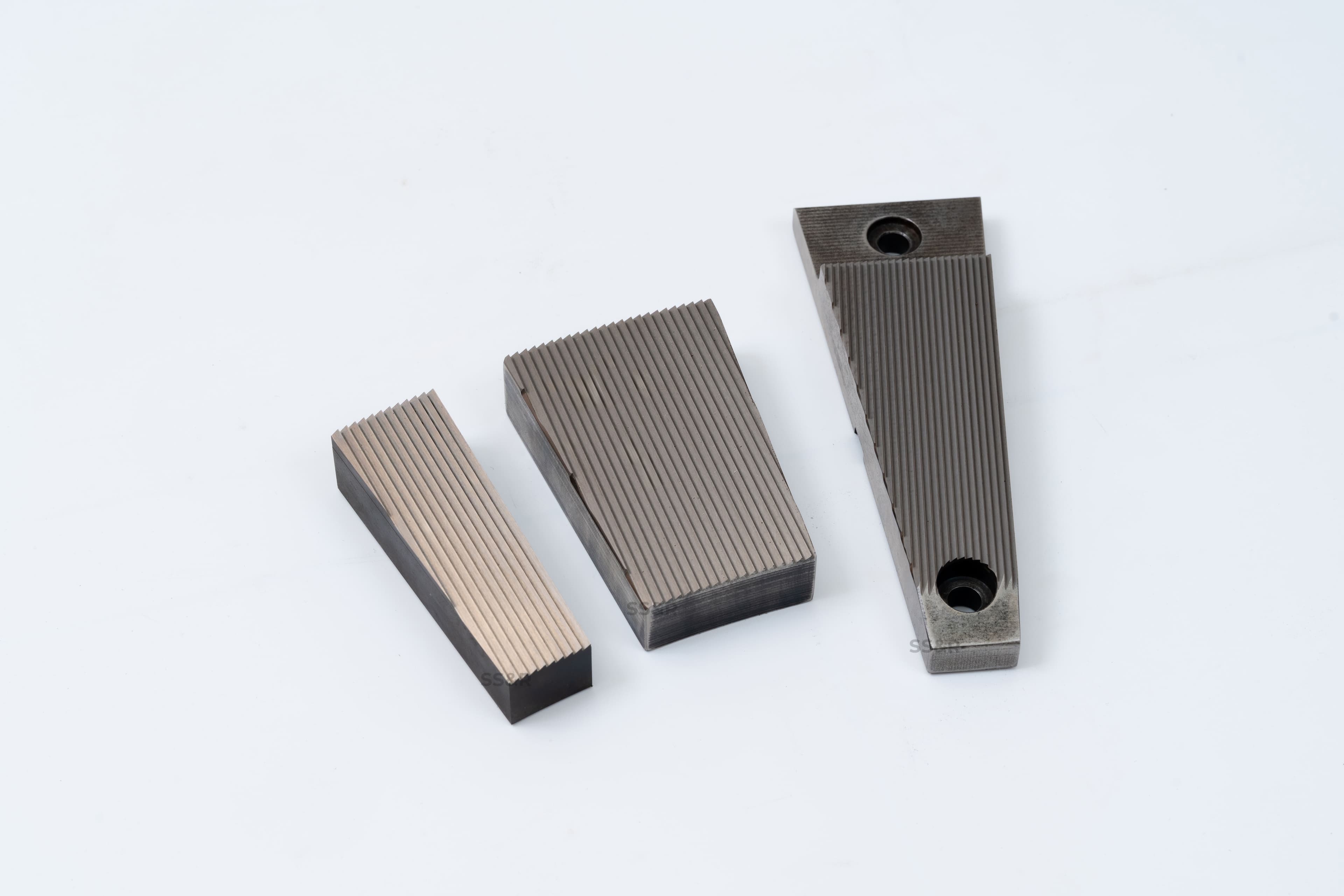
When purchasing industrial knives for plastic recycling, wood processing, pulverizing, or shredding applications, one of the most common questions is:
Should you buy OEM industrial knives from a specialized manufacturer or purchase original replacement knives from the machine brand?
The answer depends on your production requirements, budget, and long-term maintenance strategy. This guide compares both options to help you make the right decision.
What Are OEM Industrial Knives?
OEM (Original Equipment Manufacturer) industrial knives are manufactured by specialized companies that produce replacement knives based on:
- Technical drawings
- CAD files
- Existing knife samples
- Custom material and hardness requirements
Unlike machine manufacturers, OEM suppliers focus on producing industrial knives that meet or improve upon the original specifications.
Advantages of OEM Industrial Knives
Choosing OEM industrial knives offers several benefits:
- Manufactured according to your exact specifications
- Available in premium tool steels such as SKD11, 1.2379, D2, and other grades
- Customizable hardness (HRC) for different applications
- More competitive pricing in many cases
- Suitable for discontinued or older machine models
- Ability to improve knife performance by optimizing material or heat treatment
For companies looking to reduce operating costs without sacrificing quality, OEM industrial knives can provide excellent long-term value.
Buying Industrial Knives from the Original Machine Brand
Many machine manufacturers supply original replacement industrial knives designed specifically for their equipment.
Advantages
- Guaranteed compatibility with the original machine specifications
- No need to provide drawings or measurements
- Ideal for machines still covered under warranty
Limitations
- Higher purchase prices in many cases
- Longer lead times due to overseas manufacturing or import
- Limited customization options
- Replacement parts for older machines may become unavailable
OEM vs. Original Brand Industrial Knives
| Feature | OEM Industrial Knives | Original Brand Knives |
|---|---|---|
| Cost | More competitive | Usually higher |
| Custom manufacturing | ✔ | ✖ |
| Material selection | ✔ | Limited |
| Hardness customization | ✔ | Limited |
| Support for discontinued machines | ✔ | Sometimes unavailable |
| Original branded spare part | ✖ | ✔ |
Which Option Is Best?
If your machine is still under warranty or requires genuine replacement parts, purchasing industrial knives from the original equipment manufacturer may be the preferred option.
However, if your priority is reducing maintenance costs, improving knife life, or replacing knives for older machines, partnering with an experienced OEM manufacturer of industrial knives is often the better investment.
Many manufacturers also optimize material selection, heat treatment, and hardness to extend service life compared to standard replacement knives.
Questions to Ask Before Purchasing Industrial Knives
Before selecting a supplier, ask the following:
- Can they manufacture industrial knives from drawings, CAD files, or physical samples?
- What tool steel grades are available?
- What hardness (HRC) can they achieve?
- Is every knife inspected before delivery?
- Do they provide industrial knife regrinding services?
- Do they have experience producing a similar type of knife?
These questions will help ensure consistent quality and long-term performance.
If you're looking for a trusted OEM manufacturer of industrial knives, explore SS&R Precision's custom manufacturing and industrial knife regrinding services.
Summary
Choosing the right industrial knives is about more than just price. Material quality, manufacturing precision, and lifetime all play a critical role in long-term performance.

